 The Music Room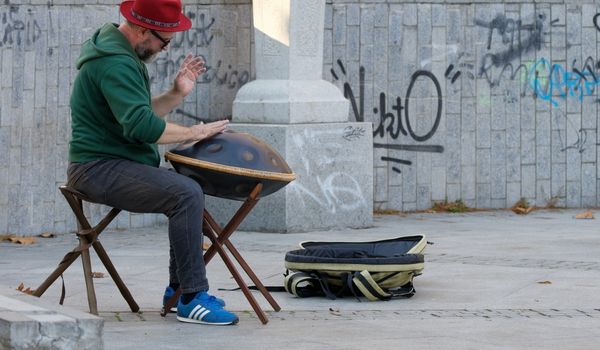
Barcelona looks like an ideal city for street musicians. There is constant foot traffic, a mix of locals and tourists, and a culture that values live music. The reality is more structured than it first appears. Busking here is regulated, and understanding how the system works makes the difference between building a steady routine and getting moved on or fined.
How busking works in Barcelona
Street performance in Barcelona is managed through an official program called Música al Carrer, run by the city council. This system organizes where and when musicians can play, with designated spots and scheduled time slots. If you want to perform regularly and without issues, this is the main path to follow.
You can find official information here:
https://www.barcelona.cat/musica-al-carrer/es/informacion
To participate, musicians need to apply for accreditation. Places are limited, and selection is competitive. Once accepted, performers are assigned specific locations and times. This structure is designed to balance musicians with residents and businesses, especially in busy central areas.
There is also a separate system for performing in the metro, which requires auditions and approval. It offers high foot traffic and good acoustics, but entry is selective and tightly controlled.
Permits, amplification, and enforcement
Barcelona makes a clear distinction between amplified and acoustic performance. Using an amplifier or speaker requires explicit authorization, and equipment must meet local sound regulations. Without this approval, amplified busking is very likely to lead to fines.
Acoustic performance is more flexible, but it is still subject to local ordinances around noise, public space, and civic behavior. Playing for long periods, attracting large crowds, or performing in sensitive areas can still result in intervention from authorities.
Enforcement is active, particularly in central and tourist heavy zones. Police regularly monitor public spaces, and penalties can include fines or confiscation of equipment. The city has become stricter over time due to complaints about noise and overcrowding. This means that informal busking carries real risk, even if you see others doing it.
Where musicians actually play
The most reliable option is to perform through the official Música al Carrer locations. These are spread across the city and offer a predictable, legal way to busk. While the structure may feel limiting at first, it allows musicians to build consistency without worrying about interruptions.
Some performers aim for the metro system, where designated spots provide steady audiences. This route requires preparation and persistence, but it can be rewarding once you are accepted.
There are also informal areas where musicians sometimes play, such as beachfront zones, parks, or quieter neighborhoods. These spaces can work temporarily, but they exist in a grey area. Enforcement varies, and what works one day may not work the next. Musicians who rely on these spots tend to stay mobile and keep a low profile.
Timing, audience, and approach
Timing plays a significant role in how successful and sustainable busking can be. Daytime and early evening are generally safer, both in terms of regulations and audience flow. Late night playing is more likely to lead to complaints, especially in residential areas.
Barcelona’s audience is diverse, and this affects how musicians approach their sets. Tourist areas respond well to familiar and accessible material, while local neighborhoods may reward originality and consistency. Adapting to the environment is part of building a presence in the city.
It is also important to approach busking here as part of a wider strategy. Many musicians combine street performance with open mics, venue gigs, and collaborations. Busking can be a strong entry point, but it works best when it connects to other opportunities.
* Busking in Barcelona is regulated and works best through the official Música al Carrer program
* Permits are required for consistent and legal performance, especially with amplification
* Acoustic busking is more flexible but still subject to rules and enforcement
* Fines and equipment confiscation are real risks if you ignore regulations
* Official performance spots and the metro system offer the most stable opportunities
* Informal locations exist but are unpredictable and should be approached carefully
* Daytime and early evening are the safest and most effective times to play
* Successful busking often connects with a broader strategy that includes gigs and networking